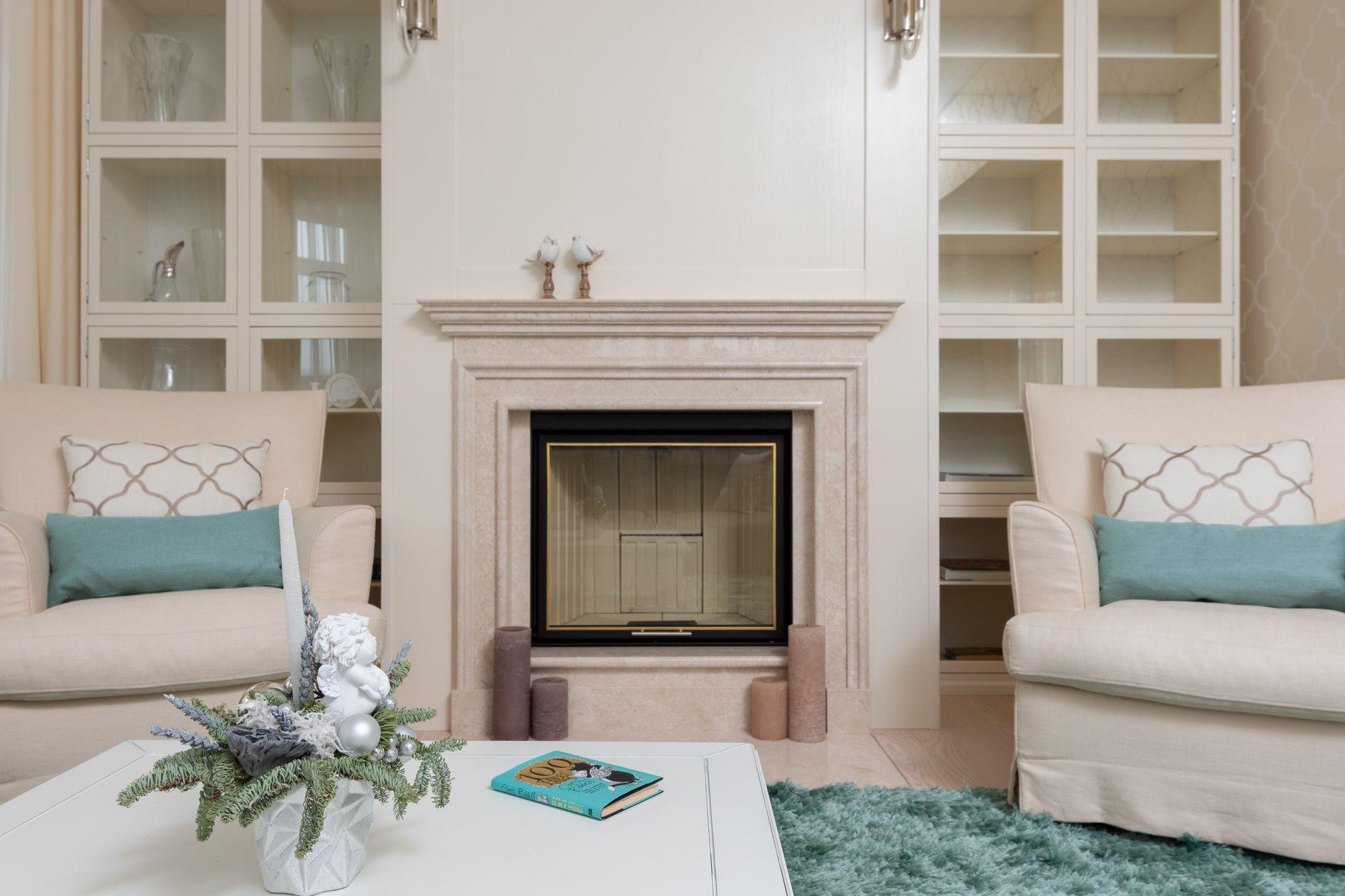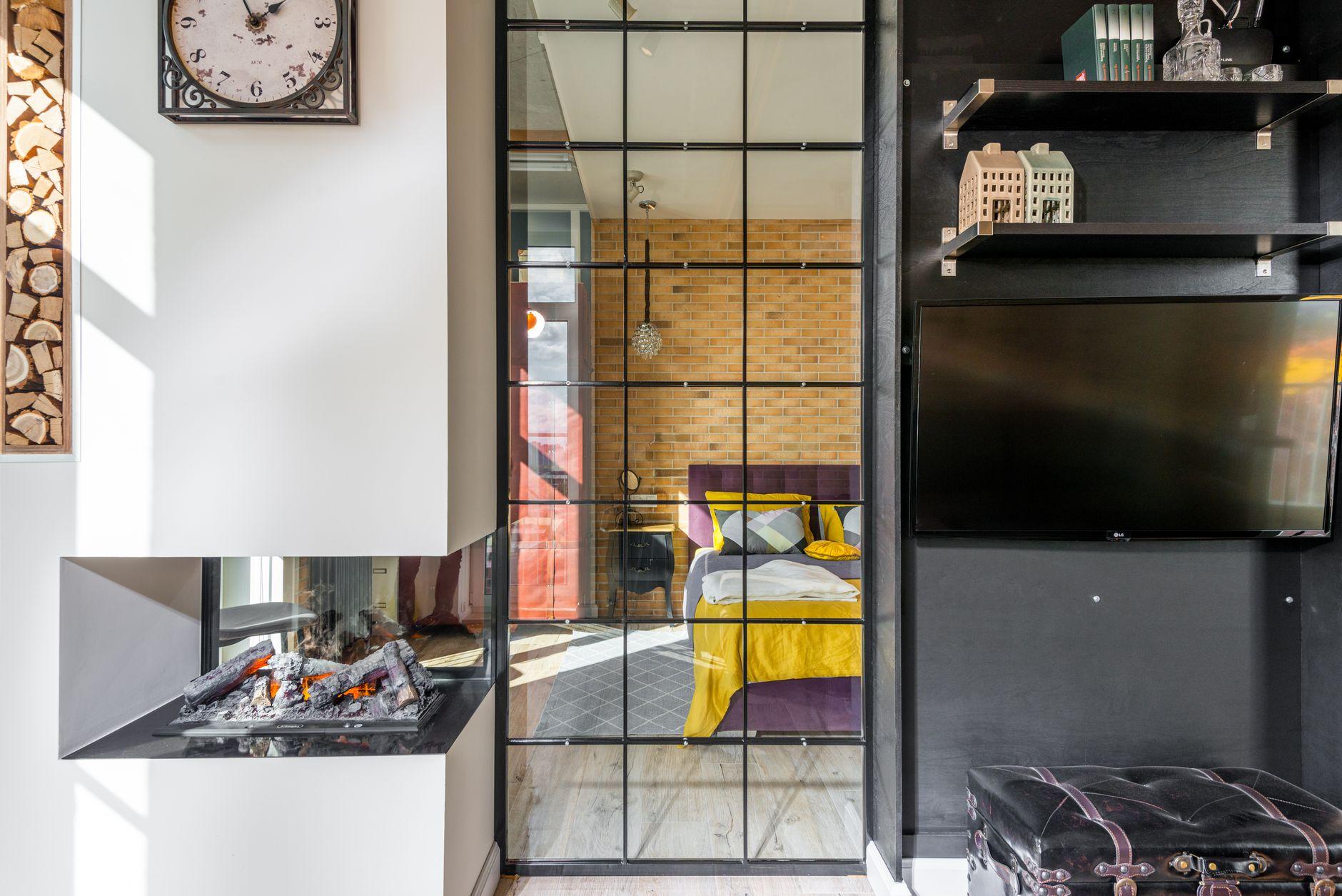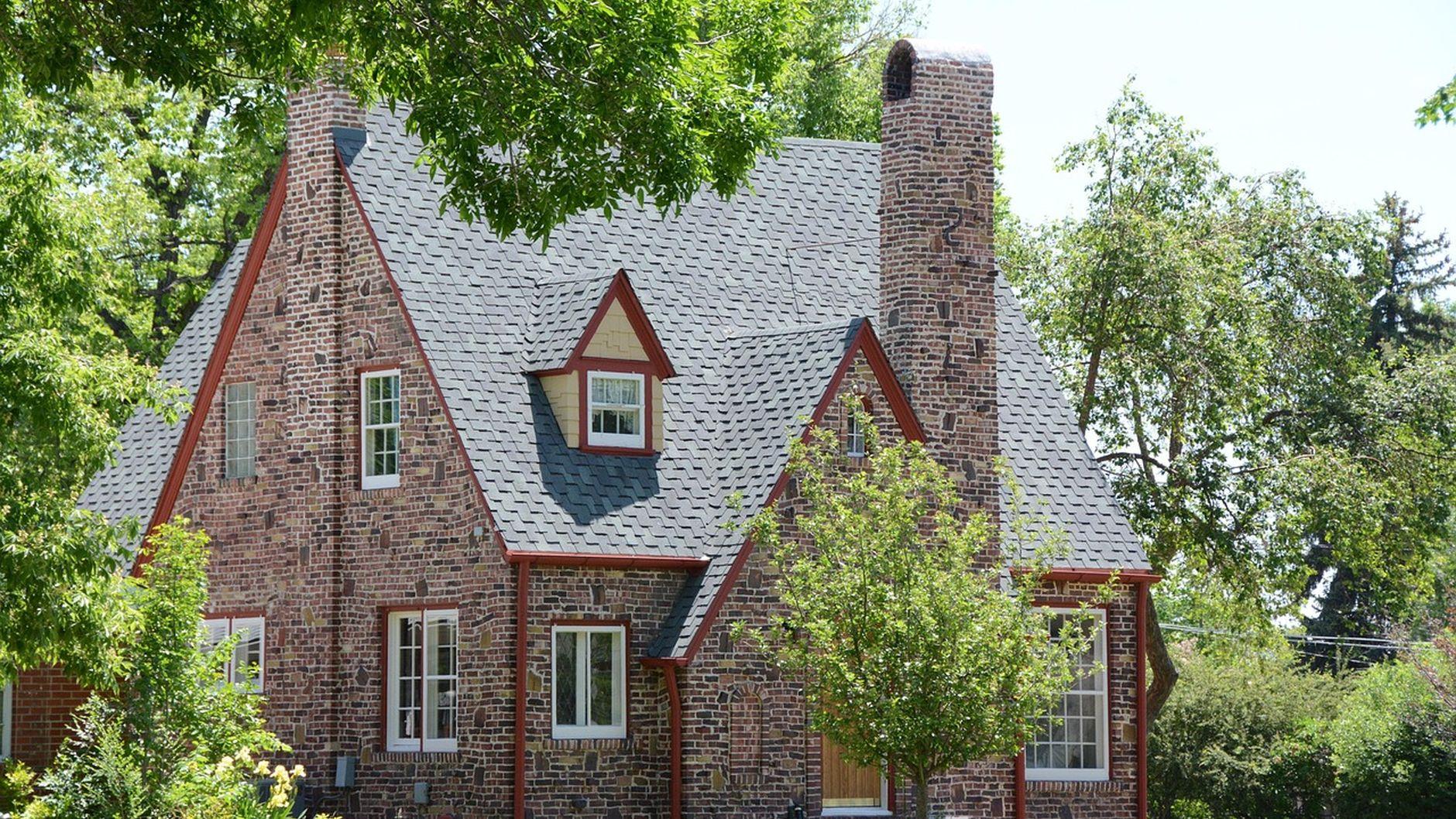
Small income properties in Whittier are often duplexes, and some have a fireplace in each unit's front room. A buyer often walks the property once, sees two hearths and a chimney or two on the roof, and moves on to the plumbing and the roof. Those fireplaces are two separate appliances with two separate histories, and on an older duplex they can carry the costliest surprise in the building.
Two fireplaces, two lines on the inspection order
Treat each fireplace as its own item. Some duplexes have two chimneys, one at each end of the building. Others have one wide masonry stack in the middle with a flue for each unit inside it. Either way there are two flues to judge, and the seller's disclosure seldom says much about either.
During a purchase we recommend the camera scan, Level 2, on each flue. Our price is $400 per flue, so a two-unit building with two wood fireplaces is two of those lines. A visual check alone is $56 per fireplace, and it suits a quick first look before you write an offer, but it cannot see inside the flue, which is where a duplex hides its problems: tiles cracked in the 1987 quake, a liner that was never put in, or two units venting into a passage that was built for one.
What the scans look for on a duplex
On top of what any single home is checked for, a duplex has a few points of its own:
- Shared stacks. Where one stack holds both flues, we check the wall between them. A crack there lets smoke from one unit leak into the other's flue.
- Mismatched conversions. It is common for one unit to have had a gas insert fitted and the other to still burn wood. The insert needs its own liner run to the top.
- Roof work that met the chimney. A re-roof on one side of the building and not the other often leaves different flashing on each side of the same stack.
- Unused fireplaces. A firebox that has held a television or a cat bed for ten years still has a flue that has been taking rain.
Each finding goes on the page for the unit that flue serves, so you can see which side of the building carries which repair.
Tenants and access
An occupied duplex adds a step. Tenants are entitled to notice before anyone enters, so the seller's side arranges the visit and tells the tenants when we will arrive. We need the hearth area cleared in each unit and a way onto the roof. If a tenant is home, we explain what we are doing and leave the room as we found it.
If you live outside the area, you do not need to be there. Your agent coordinates entry, and the report comes to you and to anyone you name.
What decides your next step
The scans sort each flue into one of three outcomes, and that decides what you do with the purchase:
- Sound flue. Nothing to negotiate on that side; keep the page for your records.
- Repairs with a price on our list. Leak repairs run $575 to $3,450; a cricket behind a wide stack is $460 to $1,035, rising to $690 to $1,700 if new flashing goes on during that visit; a gas insert to convert a wood unit is $2,850 to $5,750. A new cap is not on that list. It is quoted after we measure the flue.
- Repairs that need a written scope. Relining, crown rebuilds, damper work and anything structural has no fixed figure. We write the scope and price for that flue after the scan, so you have a number to bring to the seller.
Book the two scans through the form, naming the property, your agent and who should get the pages, and we set the visit with the seller's side.
Using the report in the negotiation
The pages are written so an agent can attach them as they are. Each one names the unit, shows the photos, states what was seen and ranks it by risk. A buyer can ask the seller to fix a specific item, ask for money toward it, or accept the property as it is with the cost known. Our part is the facts and the price; the negotiation belongs to you and your agent.
If the seller already has a recent chimney report from someone else, read the date and what it covered. A report that only looked from the room does not answer the questions above, and a scan done before a quake or a chimney fire is out of date.
After you own it
Once the building is yours, the two pages become the start of its file. The next inspection compares against them. Many owners in Whittier, La Habra and La Mirada put the fireplaces on the same yearly schedule as their other rental upkeep, so each tenant moves in with a fireplace that has a dated record behind it.
Related reading
- Agents can read our page for real-estate agents on how bookings for a sale run.
- Our home sale inspection page covers buyers who cannot attend.
- Level 1 or 2 for a whole building helps when the property has more than two units.
Have the listing in hand and an accepted offer, or close to it? Use the contact page and we line up both scans with the people on the seller's side.
Every Unit, One Visit, One Sheet Each
Bagley Chimney Care works from Whittier for owners of duplexes, apartment blocks, condo rows and large houses. Send the count of fireplaces and the crew inspects each one, files its findings under the unit number and scopes repairs in writing.