Owners in Whittier who hold a duplex, a fourplex or a small courtyard building tend to ask the same first question: what does it cost to have every fireplace on the property looked at? Bagley Chimney Care answers that per fireplace, never per building. A building with six fireplaces is six line items on one schedule, each with its own price, its own findings and its own page in the record you keep.
The three figures on our inspection list
Only three published numbers matter for inspection work, and each one is charged per fireplace or per flue:
- Visual check of one fireplace (Level 1): $56
- Camera scan of one flue (Level 2): $400
- Sweeping one flue: from $430
Everything else on a building schedule is a count. If you know how many units have a fireplace, which of them burn wood and which run on gas, you already know most of the total. The rest is a decision about which units need more than a visual check, and we help you make it.
Why a building is never one flat fee
Each unit is its own fireplace with its own past. In a ten-unit building the tenant in 2B may light a fire every cold weekend from December to February, while the owner of 4A has kept a plant in the firebox since moving in. Those two fireplaces wear at different rates. A flat building fee would make the light user pay for the heavy one, and it would hide which unit carries the risk.
Pricing per fireplace also keeps the record honest. When an insurer, a board member or a buyer of one unit asks what was found, the answer sits on one page under one unit number, with a date, photos and a plain finding. Nobody has to dig through a single summary that lumps the whole building together.
What one Level 1 line pays for
For $56 we look at one fireplace with the tools a visual check allows: a strong light, a mirror and our eyes. In each unit we open and close the damper, look for cracked or missing firebrick, check the joint where the firebox meets the face, and look up past the damper as far as the light allows. On gas units we look at the logs, the glass, the burner area and the vent connection we can see. Roof work is done once for the whole building rather than once per unit: crowns, caps and the brick above the roofline are photographed in one trip and filed under the units each flue serves.
That last point matters on stacked buildings. When three flues share one masonry stack, a crack in that stack shows up on three pages, because it affects all three units.
What moves the building total
The total grows or shrinks on a short list of things:
- The fireplace count. Ten units with a fireplace is ten Level 1 lines.
- Which units step up to a camera scan. A unit that has just changed owners, one where a tenant has reported smoke in the room, one that had a chimney fire and any flue that went through a strong quake without being checked all justify $400 for a scan of that flue.
- Which wood flues need sweeping. A flue with a heavy coat of soot is swept from $430 before the camera can see the tile.
- Gas fireplace cleaning. Gas units that need their logs, burner and glass cleaned have no published price; we set that figure on the schedule once we know the make and the count.
List the units on the form with the fuel each fireplace burns, and our reply comes back as a priced schedule, one line per unit.
A worked example
Take a six-unit building in Whittier with four wood fireplaces and two gas fireplaces, none of them looked at in years.
- Six Level 1 lines, one per unit, at $56 each.
- Two sweeping lines for the heavily sooted wood flues, from $430 each.
- One camera line at $400 for the unit that sold last month, because the new owner wants the full scan.
The schedule shows those nine lines and their sum before any repair is mentioned. Nothing is added after the fact without a written line you approve first. If the visual checks turn up a cracked crown or a gap at the flashing, those repairs appear as separate written items, and you choose which to do and when.
The record you keep
Every fireplace gets its own page. Each page carries the unit number, the date of the visit, the fuel type, photos of what we saw, and each finding in plain words with a priority: sound, watch it, or fix before lighting again. A cover sheet lists every unit on one table so a manager can see the whole building at a glance.
The report goes to whoever booked, and to anyone else you name when you book: the owner, the board, the management company, a lender. Because each unit has its own page, you can hand one tenant or one unit buyer their page without sharing the rest of the building.
Where we work
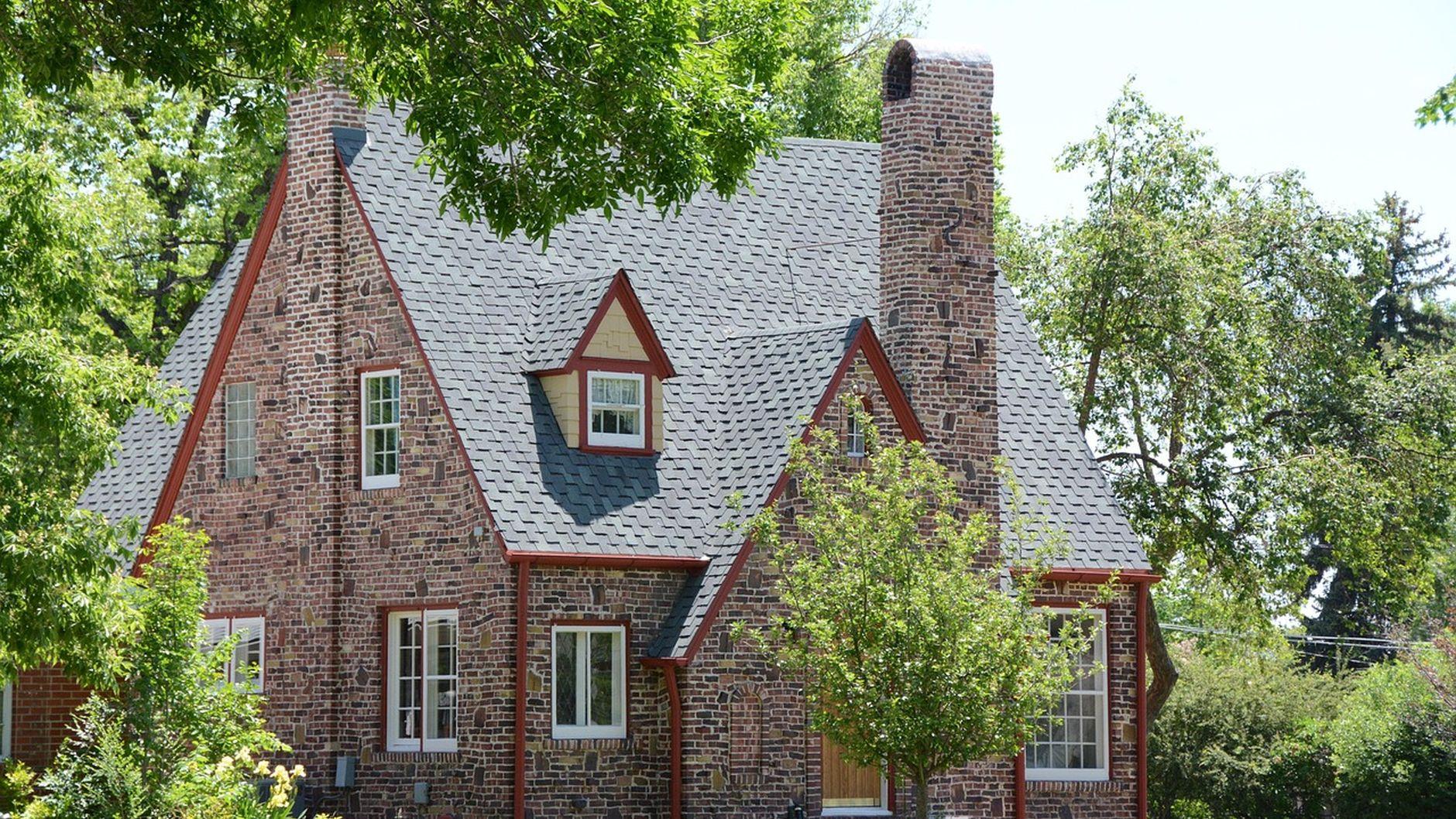
We are based in Whittier and cover La Habra, La Mirada and La Puente as well. Rental stock here runs from older duplexes with brick chimneys to newer condo buildings with factory-built gas units. Both kinds fit the same schedule: count, fuel, level, price.
Other guides for building owners
- Level 1 or 2 for a whole building explains how to split a building between the two levels.
- Hiring gas fireplace care for an HOA covers the gas side.
- Managers who want the whole service in one place can read our property manager and HOA page.
When you have the unit count in front of you, the contact page is where to send it; we turn it into a dated schedule with a price on every line.
Every Unit, One Visit, One Sheet Each
Bagley Chimney Care works from Whittier for owners of duplexes, apartment blocks, condo rows and large houses. Send the count of fireplaces and the crew inspects each one, files its findings under the unit number and scopes repairs in writing.