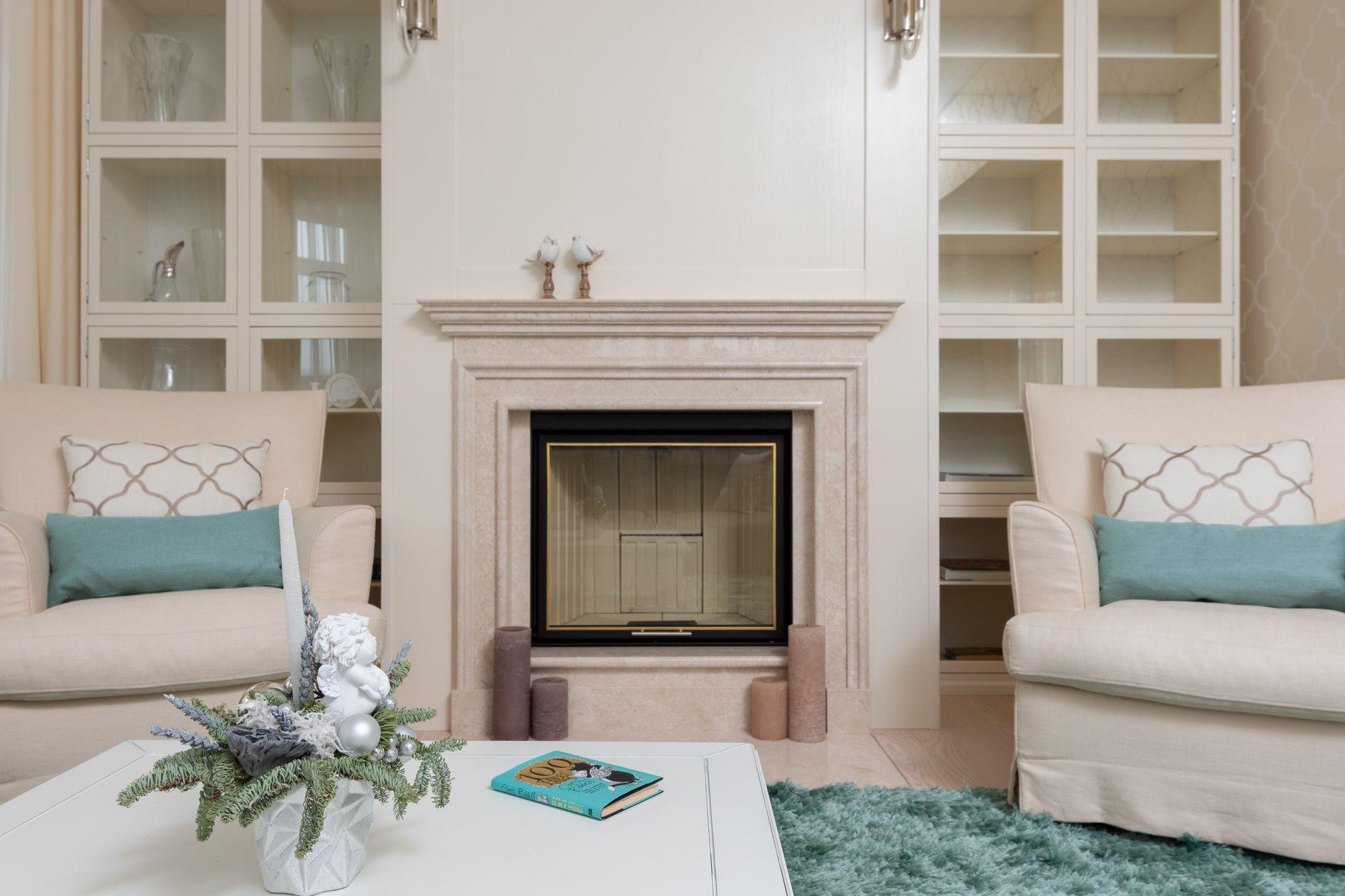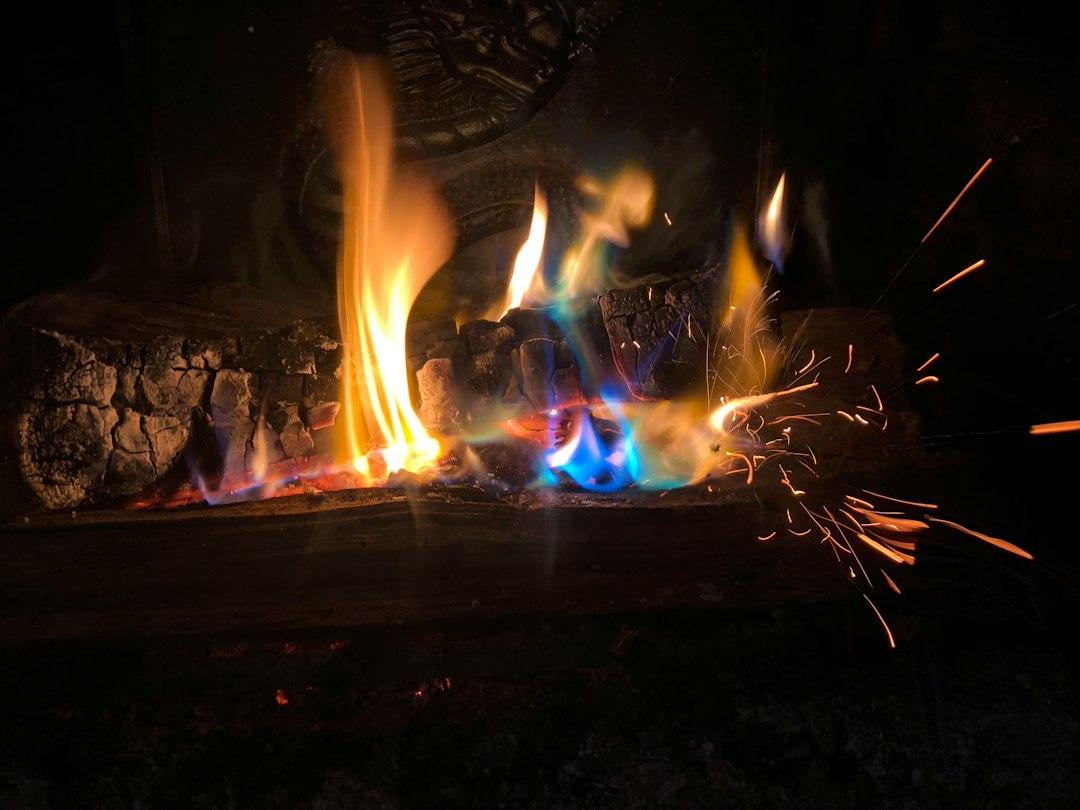
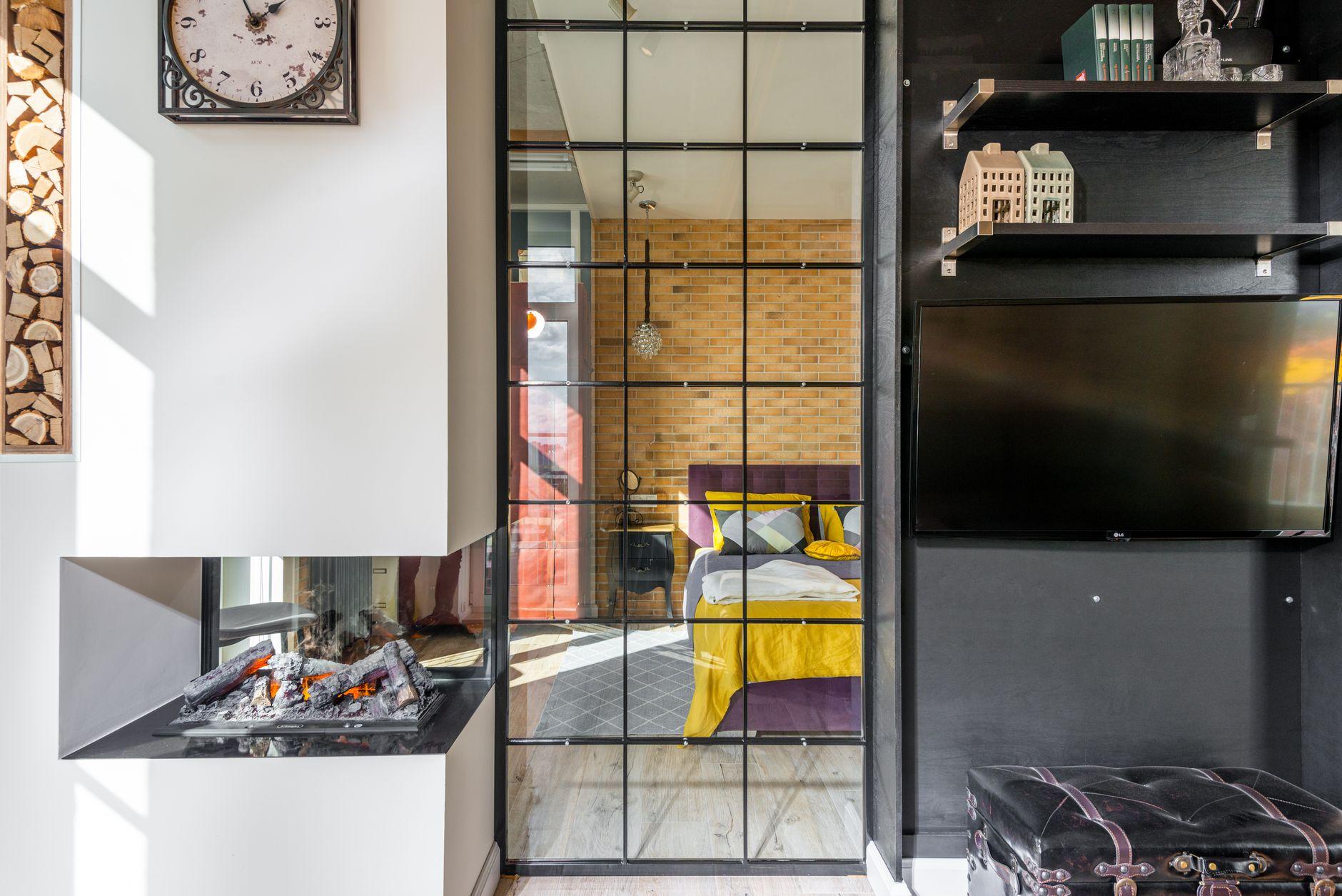
A condo board in Whittier that inherits forty gas fireplaces inherits forty small gas appliances, each one burning inside somebody's living room. Most boards find out how little they know about them the first winter a resident reports soot on the wall or a pilot that keeps dying. This guide is for the board member or manager who has to choose a firm to look after all of them, and wants to know what to ask, what the work covers and how it is priced.
What the work covers in each unit
Gas fireplace cleaning is not a sweep. There is little soot when a gas unit runs well, so the job is about the parts that keep the flame clean and the exhaust going outside. In each unit we:
- lift out the logs or media and clear the dust and lint that collect under them;
- clean the burner ports so the flame comes out evenly across the burner;
- clean the pilot hood and the sensor beside it, which is the usual reason a pilot will not stay lit;
- take the glass off, clear the white film that builds up on the inside, and look at the seal around it;
- set the logs back in the places the maker drew, because a log out of place puts flame where it should not touch;
- light the unit, watch the flame and check the room air for carbon monoxide while it runs.
Outside, we look at where each unit vents: a cap on the roof or a termination on the wall. Wasps, bird nests and plants near those openings are common on low-rise complexes, and a blocked vent is a gas problem, not a cleaning one.
What a board should ask any firm
Before you sign with anyone, these are fair things to ask, and the answers tell you how the work will run across a whole complex:
- How do you handle entry? A firm that works in occupied buildings should tell you who gives notice, who holds keys and what happens when nobody answers the door.
- What do you hand back? You want a page per unit, with the unit number, photos and what was found. A single invoice with "40 units cleaned" on it is no record at all.
- What happens when you find a fault? Cracked glass, a scorched valve area or a high carbon monoxide reading should mean the unit is shut off, the resident is told in writing and the board gets the finding on the same report.
- How do you price it? Per unit, with the makes and the access known up front, so the board can budget by building.
- Will you tell us which units are close to the end of their life? Some older units in our area no longer have parts made for them. A board needs to know that before it plans a replacement budget.
How the price is set
Gas fireplace cleaning has no figure on our published list. The number depends on a few things a board can tell us before we visit:
- how many units have a gas fireplace;
- the makes and models, or a description of them if nobody knows;
- whether the glass comes off at the front or the whole face has to come off;
- whether vents end on the roof or on walls we can reach from the ground.
With those, we send a per unit price and a building total. If the board also wants a visual inspection of each fireplace on the same visit, the Level 1 line is $56 per fireplace, and many boards pair the two so each unit has one visit and one page.
Tell us the unit count and the makes and we return a written per unit price for the complex.
Scheduling a complex
On a large complex we work building by building. The board or manager picks the order, sends the notice to residents and gives us the list of units with gas fireplaces. We bring the schedule with unit numbers and tick each one off as it is done, so at the end of each day the manager knows which units are finished, which had nobody home and which need a second visit for a part.
Units that were missed go onto a short list with the reason: no answer, a pet loose, a resident who asked for another day. The manager sees that list with the day's report and decides how to reach those residents.
Faults we find most often on condo gas units
The faults that come up on complexes around Whittier, La Habra and La Mirada repeat from unit to unit, which is one more reason to service them together:
- pilots that go out because the sensor beside the flame is coated;
- glass with a hard white film that no longer comes off with a wipe;
- logs that were moved after a resident cleaned them and now sit in the flame path;
- a wall vent with a nest or a shrub grown across it;
- a gasket around the glass that has gone brittle and no longer seals.
When a fault needs a part or a repair beyond cleaning, it goes on the unit's page as its own line with its own price, and nothing is done to that unit until the board or the owner approves it.
Who pays for what
That depends on your governing documents. Some associations treat the fireplace as part of the unit and the owner pays; others treat the vent and the chimney as common elements. We bill whoever the board tells us to bill, and we can split a single schedule between the association and individual owners so each one gets the lines that belong to them.
Related pages
- Pricing chimney checks by the unit sets out our per fireplace figures.
- Our gas fireplace cleaning service lists what the visit includes for a single home.
- Property managers and HOAs covers inspection schedules for a whole building.
When the board has its unit list, the contact page takes it, and we answer with a priced schedule built around your buildings.
Every Unit, One Visit, One Sheet Each
Bagley Chimney Care works from Whittier for owners of duplexes, apartment blocks, condo rows and large houses. Send the count of fireplaces and the crew inspects each one, files its findings under the unit number and scopes repairs in writing.