Managers of a Whittier apartment building rarely need the same depth of inspection in every unit. Some fireplaces have sat unused for years; one may have just changed hands; another may have a tenant who says the room fills with smoke. Booking the camera scan for all of them wastes money, and booking only a visual check for all of them can miss the one flue that matters. The sensible schedule mixes the two, unit by unit.
The two levels side by side
NFPA 211, the standard chimney work in this country is measured against, describes inspection in levels. For a building, the first two are the ones that matter:
- Level 1, $56 per fireplace. We work with a light, a mirror and our eyes. We see the firebox, the damper, the bottom of the flue and the top of the chimney from the roof. You get a page per unit with photos.
- Level 2, $400 per flue. The same, plus a camera run up the flue, so every tile joint, the smoke chamber and the stretch of chimney inside the attic are on record. You get a page per unit with photos and the recorded scan.
A third level exists for cases where something hidden has to be opened up to be judged. On a building schedule it is very rare, and we would explain why before suggesting it.
Which units belong on Level 1
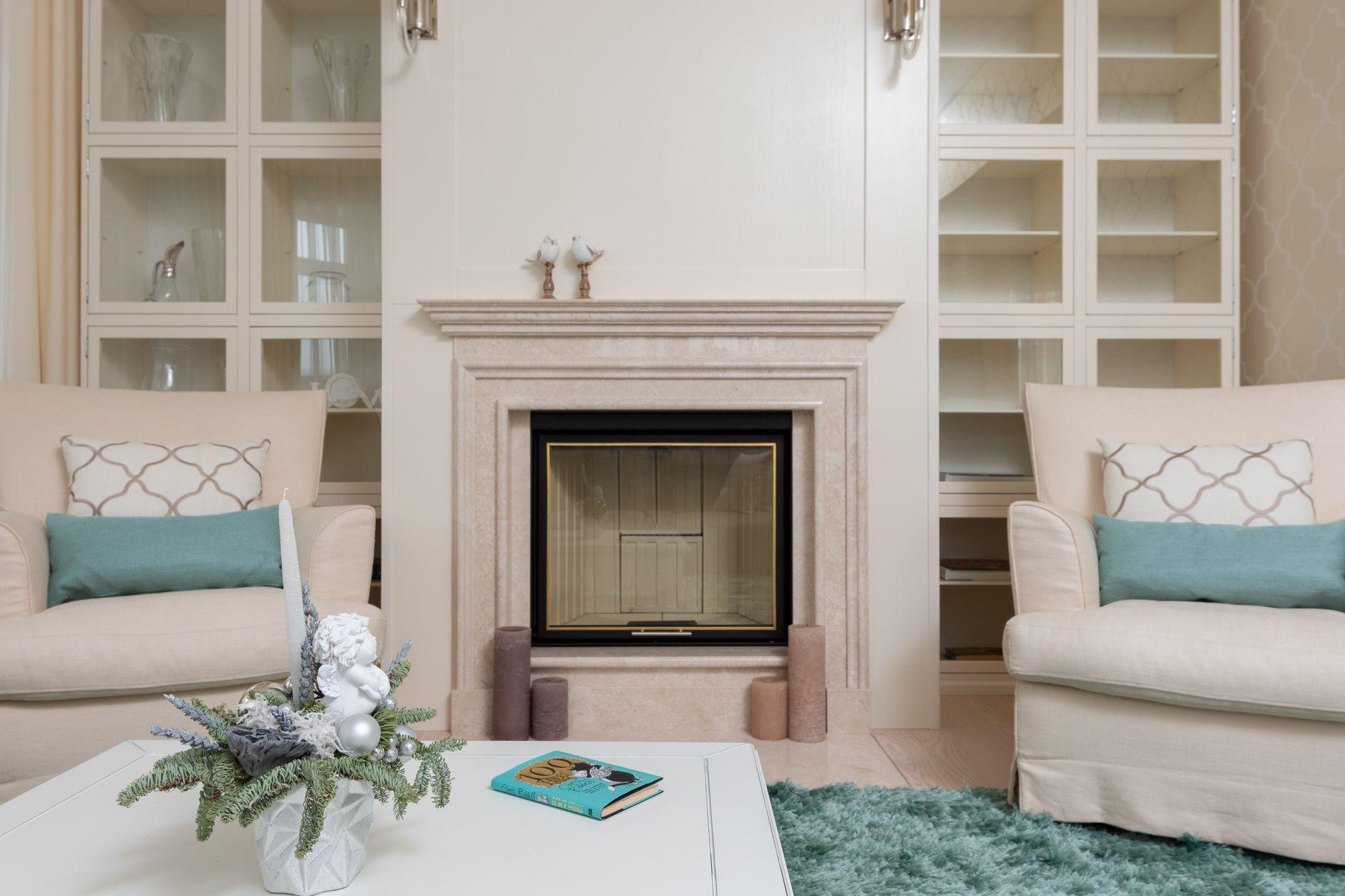
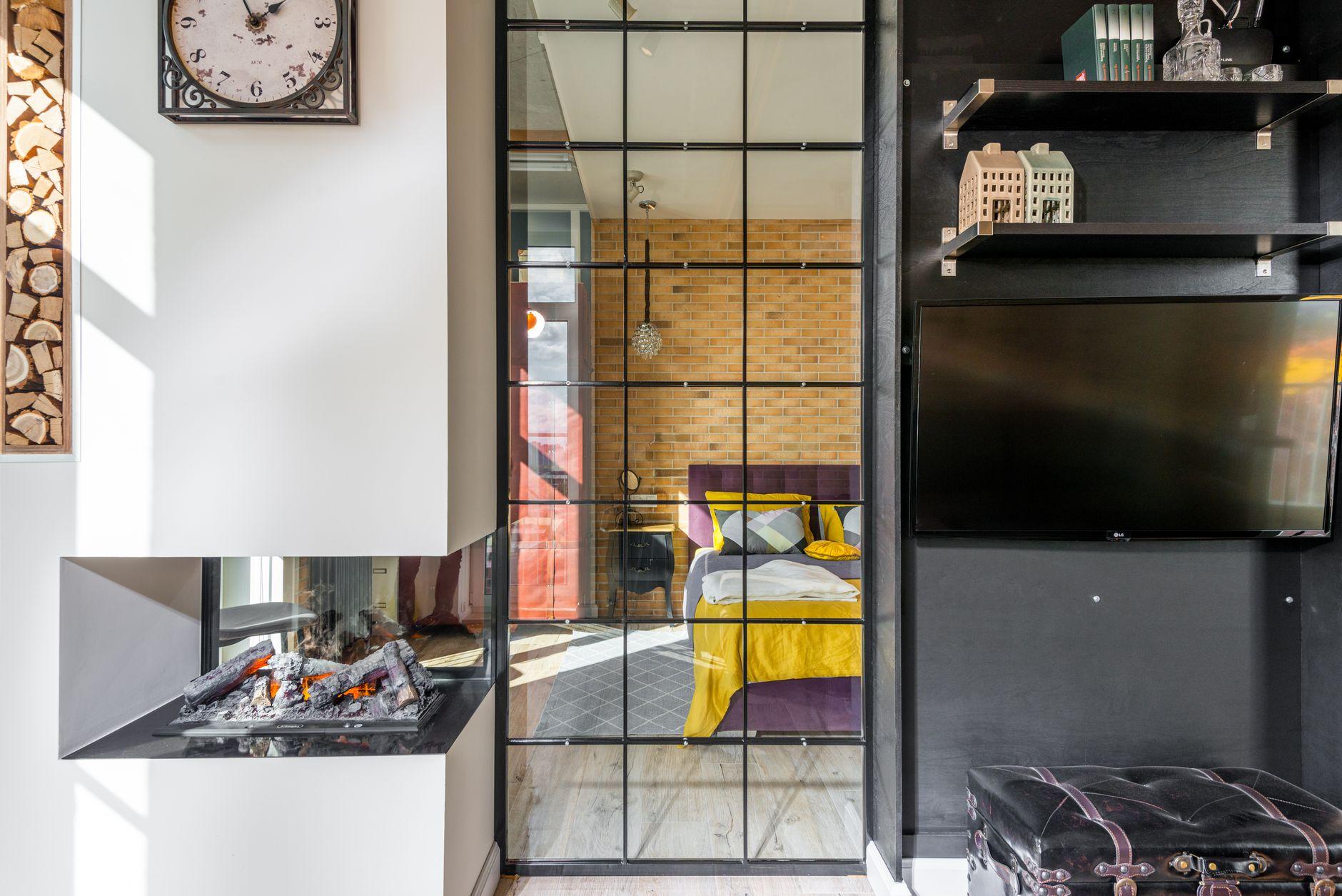
A visual check fits a fireplace that is used the way it has always been used, has had no event since it was last looked at, and shows nothing worrying from the room or the roof. On a typical building that is most units. The visual check still catches a lot: cracked firebrick, a rusted damper plate, a cap that has blown off, a crown with open cracks, a gas unit with a film on the glass or a log out of place.
If a Level 1 shows something that only a camera can settle, such as a dark streak at the top of the firebox that may be smoke escaping through a cracked tile, we write that on the unit's page and price the scan for that one flue. You decide whether to add it.
Which units belong on Level 2
The camera earns its $400 on a flue where something has changed or something is suspected:
- A unit that has been sold or is about to be. The buyer has no history for that fireplace, and the scan gives them one.
- A flue that went through a strong quake without being looked at since. Whittier knows this one well; the 1987 quake carries the city's name, and cracked tiles inside a flue cannot be seen from the room.
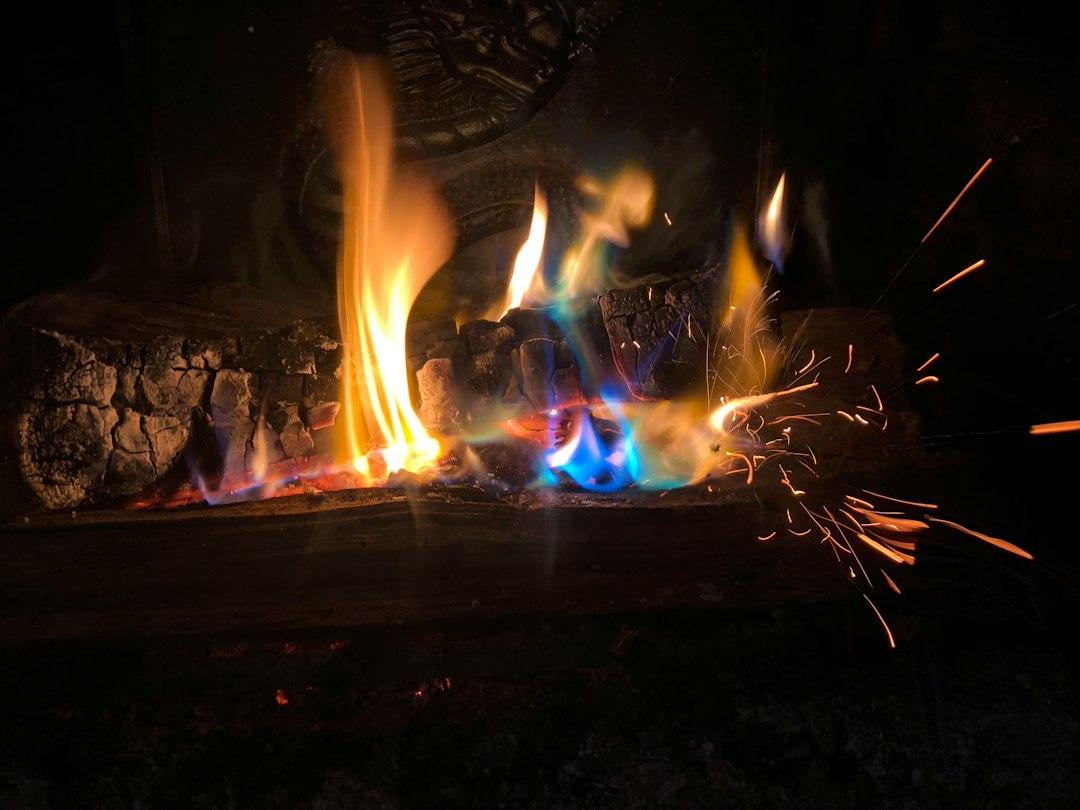
- A chimney fire, or a suspected one. Flaking, puffed up deposits on the damper or a tenant who heard a roar in the flue both qualify.
- A change of fuel or appliance. A wood fireplace getting a gas insert, or a gas unit being replaced, needs the flue confirmed first.
- Smoke or smell in the unit that a visual check cannot explain.
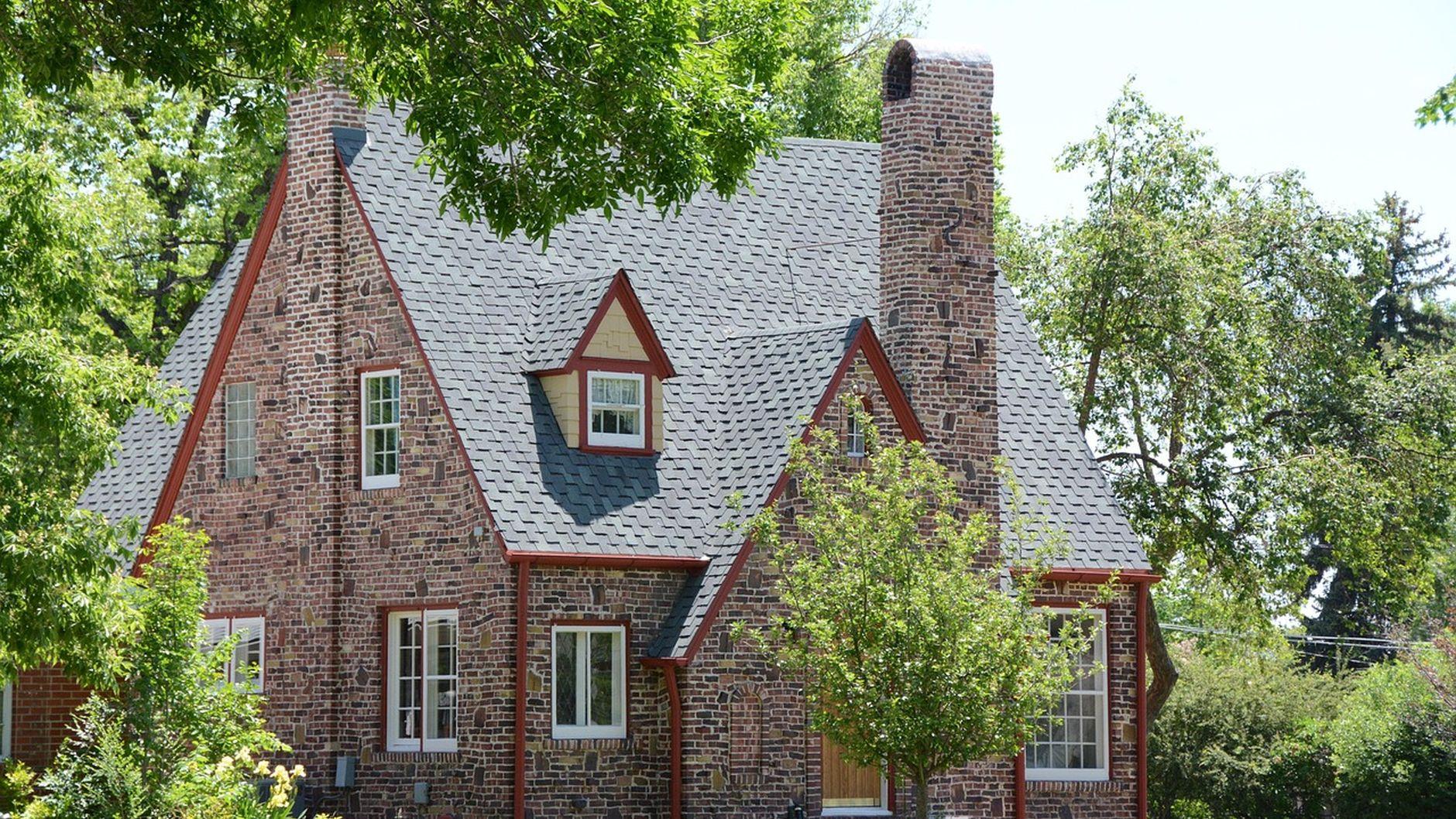
On a stacked building where several flues run up one masonry chimney, one bad result can justify scanning the neighbouring flues too, because they share the same brick and the same mortar.
What decides the mix, and the price
Three things set a building's inspection total: how many fireplaces there are, how many of them meet one of the Level 2 reasons above, and how many wood flues are too sooted for the camera to see through. A sweep for those starts from $430 per flue.
A twenty-unit building where three units qualify for the camera comes out like this:
- seventeen visual check lines at $56 each;
- three camera lines at $400 each;
- one page per unit, and the sum of the twenty lines at the foot of the schedule.
Send the unit list and anything you know about each fireplace, and we mark which units we would put on each level and why, before you commit to anything.
Why we sort by unit, not by building
A manager sometimes asks for "a Level 2 on the building". That order usually comes from a lender, an insurer or a buyer, and it is worth checking what they actually need. Often the request is satisfied by scanning the flues that serve the units being sold or covered by the new policy, and a visual check on the rest. Where the paperwork truly asks for every flue, we scan every flue, and the price is still the per flue figure times the count.
Sorting by unit also helps the next year. Once every unit has a page, the following visit only has to compare: what changed in 3C since the last photos, whether the crack on the north stack has grown, whether the cap on unit 6 is still in place.
What we need from you before the visit
- the address and the number of units with a fireplace;
- which units burn wood, which run on gas and which are never used;
- any unit that has sold, had a fire, had a complaint or been altered;
- who gives tenants notice, and who should get the report.
With that, the schedule arrives priced line by line. We work across Whittier and nearby La Habra, La Mirada and La Puente.
More for building owners
- Pricing chimney checks by the unit walks through a full building schedule.
- Quake bracing for apartment chimneys covers what comes after a bad scan on a tall stack.
- The Level 2 inspection service describes the camera scan in more detail.
Whatever mix your building needs, start with the contact page: give us the units, and we give back a split with a reason beside each line.
Every Unit, One Visit, One Sheet Each
Bagley Chimney Care works from Whittier for owners of duplexes, apartment blocks, condo rows and large houses. Send the count of fireplaces and the crew inspects each one, files its findings under the unit number and scopes repairs in writing.